In the quest to maintain the optimal freshness and quality of pet foods, proper storage practices play a crucial role.
By employing suitable containers, selecting an ideal storage location pet food Malaysia, regulating temperature and humidity, adhering to a rotation system, and monitoring expiration dates, pet owners can ensure that their furry companions receive nourishment that is both safe and wholesome.
This article will delve into essential guidelines for storing pet foods effectively to prolong their shelf life and preserve their nutritional value.
Proper Storage Containers
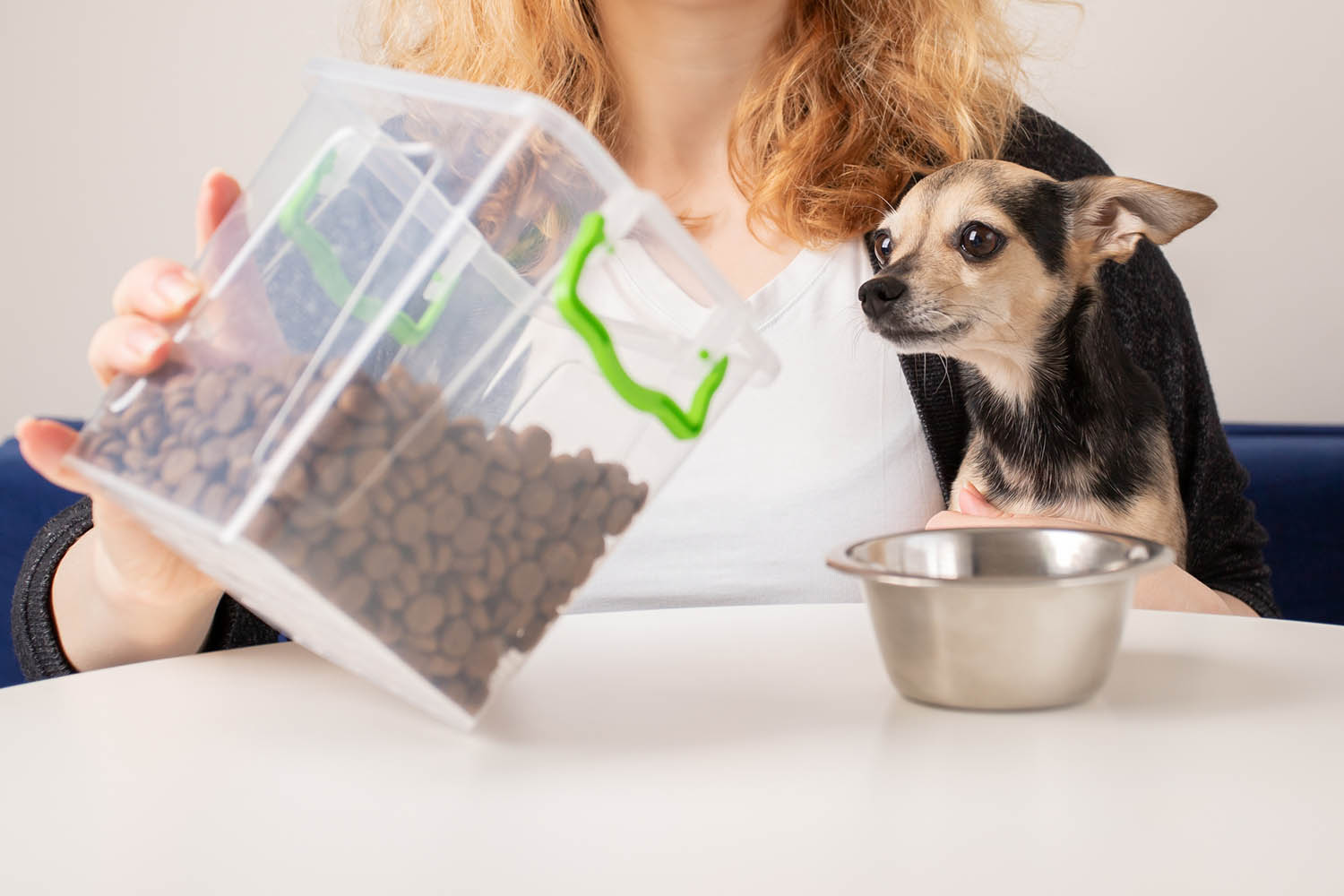
When storing pet foods for optimal freshness https://nourish.petuniverse.com/, it is essential to use containers made from high-quality materials and specifically designed for this purpose. Proper storage containers play a crucial role in preserving the quality and taste of pet foods while ensuring they remain safe for consumption.
Look for containers that are airtight to prevent moisture and air from seeping in, which can lead to spoilage. Transparent containers are beneficial as they allow you to monitor the food levels easily. Additionally, choose containers that are easy to clean to maintain good hygiene standards.
Investing in the right storage containers will not only keep your pet’s food fresh longer but also provide convenience and peace of mind for pet owners.
Ideal Storage Location
Select a cool, dry area in your home as the ideal storage location for pet foods to maintain their freshness. This location should be away from direct sunlight, moisture, and extreme temperatures. A pantry or cupboard works well, ensuring the food is shielded from light and fluctuations in humidity.
Avoid storing pet food in garages or outdoor sheds where temperatures can vary greatly. Keep the food in its original bag or transfer it to an airtight container to prevent exposure to air and pests.
Managing Temperature and Humidity
Maintain a consistent temperature and humidity level to effectively preserve the freshness and quality of stored pet foods. Fluctuations in temperature and humidity can accelerate the degradation of pet food, leading to spoilage and loss of nutritional value.
The ideal storage conditions for most pet foods are in a cool, dry place with temperatures between 50-70°F (10-21°C) and humidity levels below 15-20%. Avoid storing pet foods in areas exposed to direct sunlight, as heat and light can promote the growth of mold and bacteria.
Additionally, fluctuations in humidity can cause condensation inside the storage container, creating an environment conducive to mold growth. By controlling temperature and humidity levels, you can extend the shelf life of pet foods and ensure that your furry friends enjoy fresh and nutritious meals.
Rotation and First-In-First-Out (FIFO) Method
To ensure optimal freshness and quality of stored pet foods, implement a rotation system using the First-In-First-Out (FIFO) method. This method involves organizing pet food so that the oldest items are used first, ensuring that nothing expires or loses its nutritional value.
By rotating the stock and using the oldest products before newer ones, you can avoid wastage and ensure that your pets are always consuming the freshest food available. This approach not only maintains the quality of the pet food but also helps in managing inventory effectively.
Remember to check expiration dates and properly label items to streamline the rotation process. Embracing the FIFO method empowers you to provide your pets with the best possible nutrition while reducing unnecessary waste.
Monitoring Expiration Dates
Effective monitoring of expiration dates is crucial for maintaining the freshness and quality of stored pet foods. Always check the expiration dates on pet food packaging and create a system to ensure older products are used before newer ones.
Store pet foods with the earliest expiration dates at the front of your storage area to facilitate the first-in-first-out method. Regularly inspect stored pet foods for any signs of spoilage or damage that may compromise their quality.
Conclusion
In conclusion, proper storage of pet foods is essential to maintain their freshness for a longer period of time. By using suitable containers, storing in an ideal location, managing temperature and humidity, following the FIFO method, and monitoring expiration dates, pet owners can ensure that their pets receive high-quality and safe food.
Taking these steps will not only prolong the shelf life of the pet food but also help prevent any potential health risks for their beloved animals.
…