

Radiation, a powerful force with both benefits and drawbacks, has become an integral part of various sectors, ranging from medicine to technology Nuclear radiation shielding. This article delves into the pros and cons of radiation, examining its advantages in medical applications, while raising awareness about potential environmental impacts and safety measures.
By providing a technical and knowledgeable perspective, this article aims to empower readers with the necessary information to make informed decisions regarding their exposure to radiation.
The Advantages of Radiation
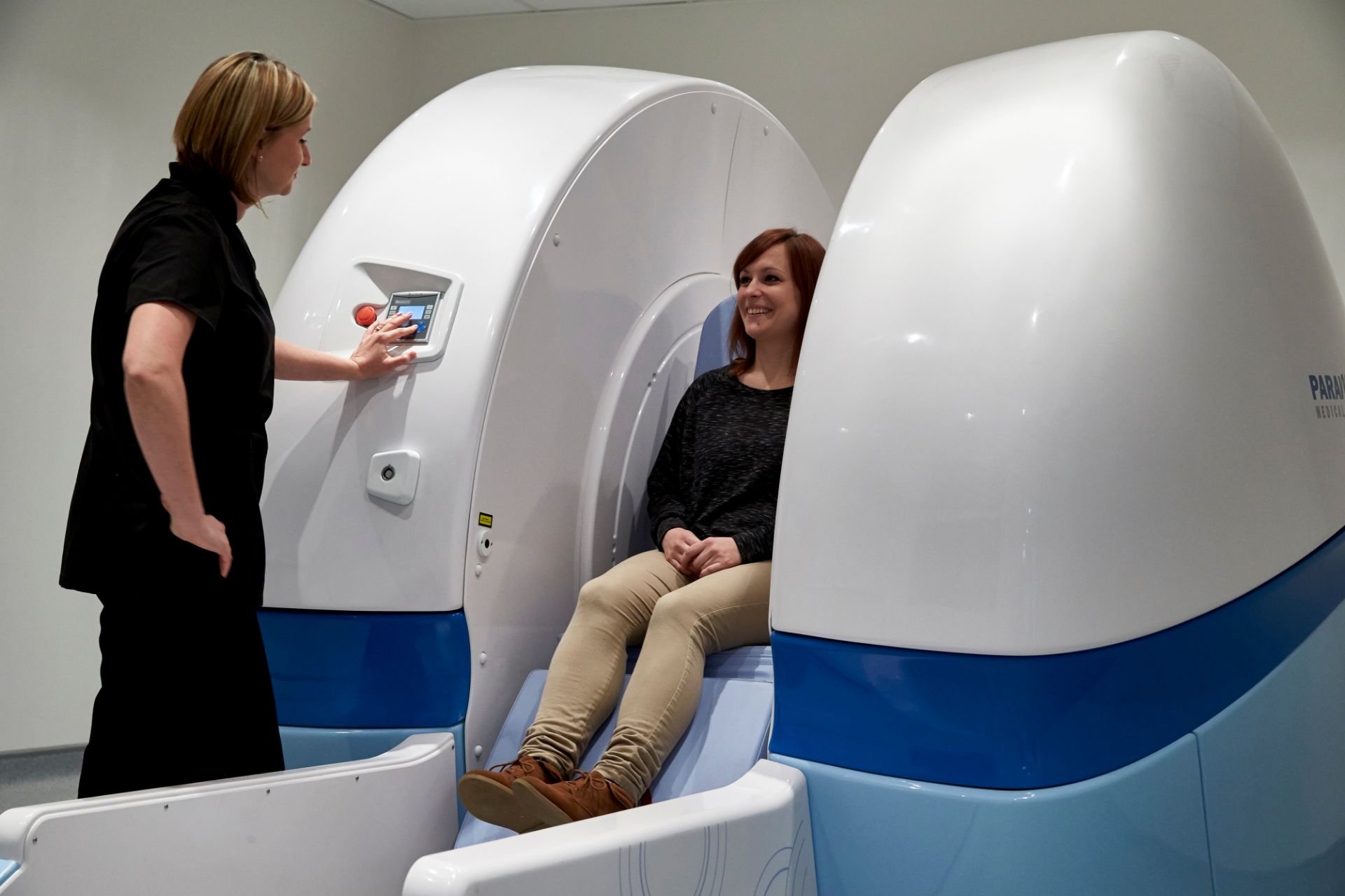
Radiation offers several benefits, such as its ability to effectively treat cancer and other medical conditions. Radiation therapy, a commonly used treatment method, utilizes high-energy beams to target and destroy cancer cells. It is a localized treatment that minimizes damage to healthy tissues surrounding the tumor.
The process involves precise planning and monitoring to ensure accurate delivery of the radiation dose. The dangers of radiation, such as potential side effects and damage to healthy cells, are mitigated through careful dosage calculations and frequent patient monitoring.
Furthermore, radiation therapy can be combined with surgery or chemotherapy to enhance treatment outcomes. The advancements in radiation technology have led to improved accuracy and reduced treatment time, providing patients with more effective and efficient care.
The Disadvantages of Radiation
Exposure to high levels of ionizing energy can lead to adverse health effects and increased risk of diseases. The risks associated with radiation exposure are well-documented and should be approached with caution.
Ionizing radiation has the potential to damage living cells and DNA, which can result in various health effects. Acute exposure to high doses of radiation can cause radiation sickness, characterized by symptoms such as nausea, vomiting, and fatigue.
Long-term exposure to lower doses of radiation may increase the risk of developing cancer, as radiation can induce mutations in the DNA. Additionally, radiation exposure can also lead to other detrimental effects on the body, such as damage to the immune system and reproductive organs.
It is crucial to minimize unnecessary exposure to radiation and take appropriate safety measures to protect oneself from its potential health effects.
Medical Applications of Radiation
Medical professionals utilize ionizing energy for various diagnostic and therapeutic purposes in order to provide effective and efficient healthcare to patients.
Radiation therapy, a common application of ionizing radiation, is used to treat various types of cancer by targeting and destroying cancer cells. This treatment modality has proven to be highly effective in reducing tumor size and improving patient outcomes.
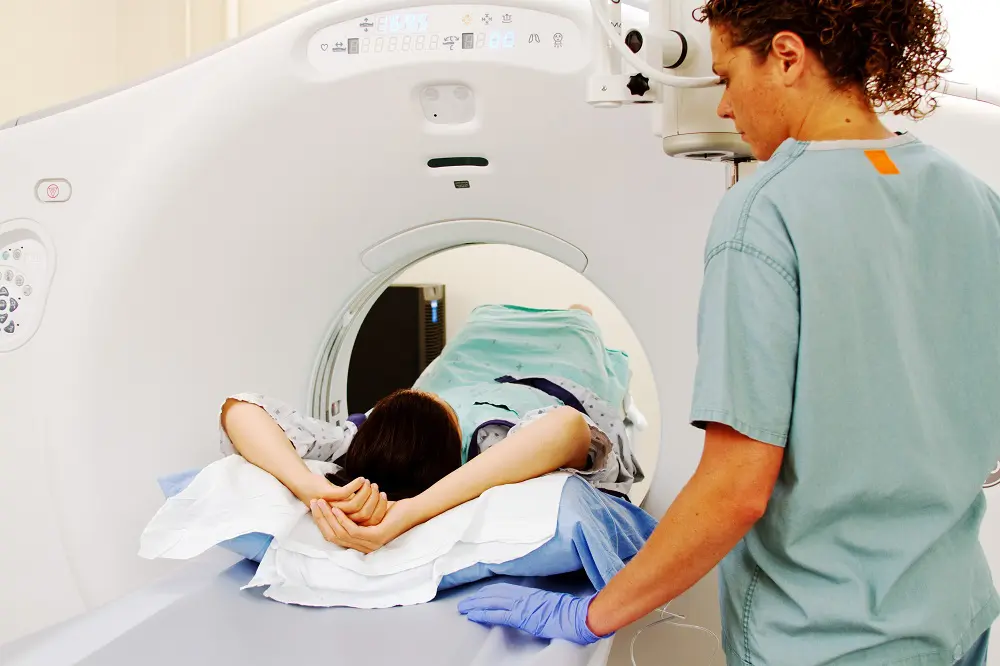
Diagnostic imaging, another important application, allows healthcare providers to visualize internal structures and detect abnormalities that may not be visible through physical examination alone. Techniques such as X-rays, computed tomography (CT) scans, and positron emission tomography (PET) scans are widely used to aid in the diagnosis and monitoring of diseases.
However, it is important to note that while radiation can be beneficial, it also carries potential risks. Medical professionals must carefully balance the benefits and risks when utilizing ionizing energy in order to ensure the best possible outcomes for their patients.
Environmental Impacts of Radiation
The presence of radioactive substances in the environment can have significant implications for the health and well-being of both humans and ecosystems.
Radioactive materials, such as uranium and plutonium, can accumulate in wildlife, leading to adverse effects on their physiology and reproductive capabilities.
These substances can also disrupt the delicate balance of ecosystems, affecting biodiversity and the overall functioning of natural habitats.
The long-term effects of radiation on ecosystems are a cause for concern, as they can persist for years or even centuries.
The potential for bioaccumulation and biomagnification of radioactive substances further exacerbates these impacts.
It is crucial to closely monitor and mitigate the release of radioactive materials to minimize their detrimental effects on wildlife and the long-term stability of ecosystems.
Safety Measures for Radiation Exposure
Safety measures for radiation include the implementation of strict protocols and guidelines to minimize the risk of exposure and ensure the protection of individuals and the environment.
Radiation protection is crucial in various industries such as healthcare, nuclear power, and research.
To safeguard against radiation hazards, radiation dose limits have been established by regulatory bodies. These limits set the maximum allowable radiation dose that individuals can receive over a specific period.
Compliance with these limits is achieved through the use of shielding materials, personal protective equipment, and monitoring systems.
Additionally, proper training and awareness programs are essential to educate workers and the public about the potential risks associated with radiation exposure.
Conclusion
In conclusion, radiation carries both advantages and disadvantages. While it is extensively used in medical applications for diagnosis and treatment, it also poses potential risks to human health and the environment.
Implementing safety measures and regulations is crucial to minimize radiation exposure and its adverse effects. Continued research and technological advancements are vital to further understand and mitigate the potential hazards associated with radiation exposure.